This post contains affiliate links. If you book through them we may earn a small commission at no extra cost to you. We only recommend what we've used ourselves. As an Amazon Associate we earn from qualifying purchases. Read our affiliate disclosure.
In March 2018, Chantelle was six to seven months pregnant with our oldest, and we decided to take one last big trip as a family of two. We picked Iceland for our babymoon, and it was one of the most beautiful places either of us has ever been.
We started in Reykjavik, picked up a rental car, and drove the south coast as far as Vík, with stops for waterfalls, black sand beaches, part of the Golden Circle, and, if we were lucky, the northern lights.
How we planned it
Our hotels were all booked and coordinated through EF Ultimate Break, a group travel company. That took the hardest part off our plate: we knew exactly where we were sleeping each night and could focus on what to see. Having our own rental car meant we could still stop wherever we wanted along the way.
Reykjavik
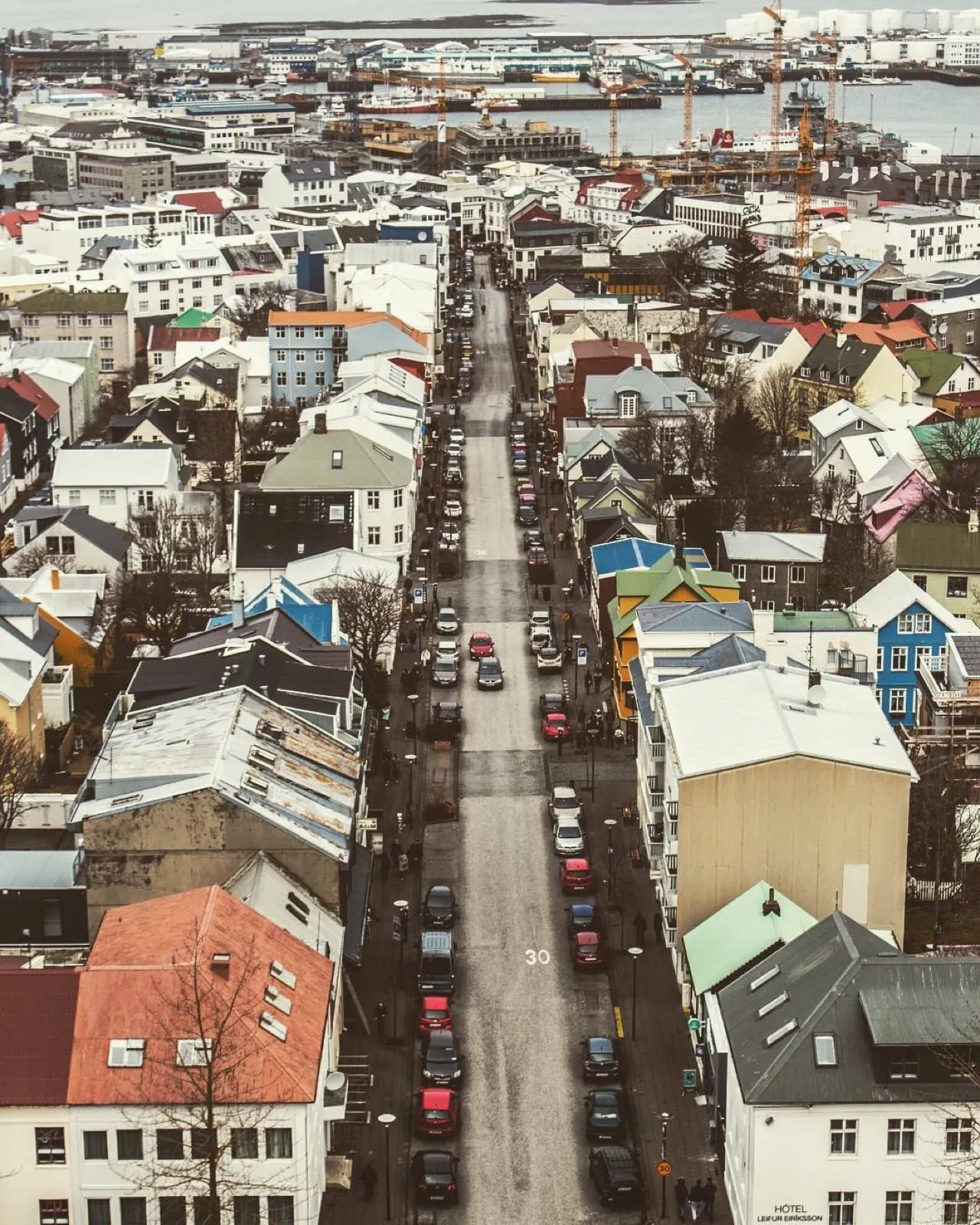
Reykjavik is small, colorful, and very walkable. Our favorite stops:
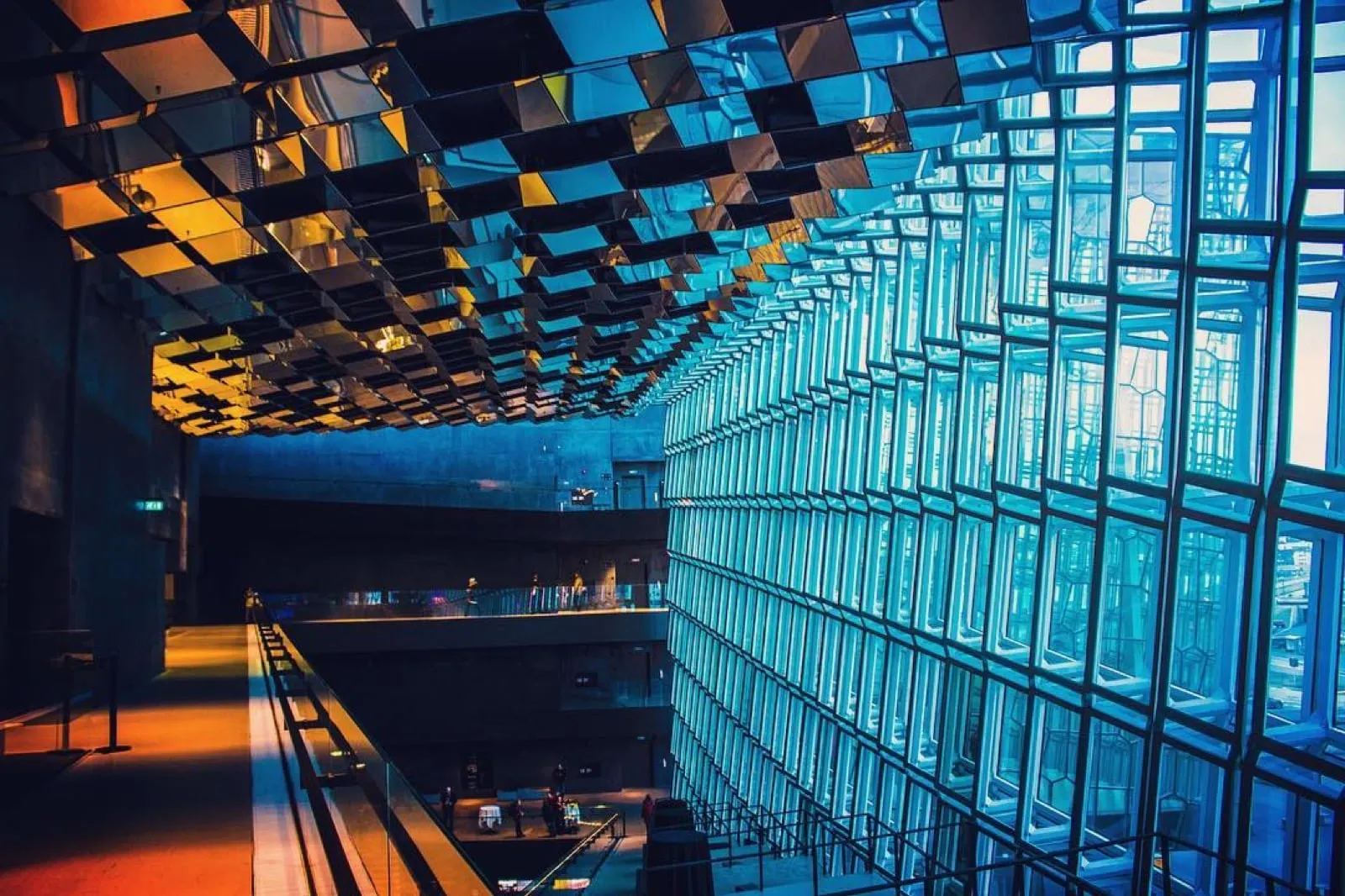
- Harpa, the waterfront concert and opera hall. Its glass walls are made of geometric panels that light up in blues and golds.
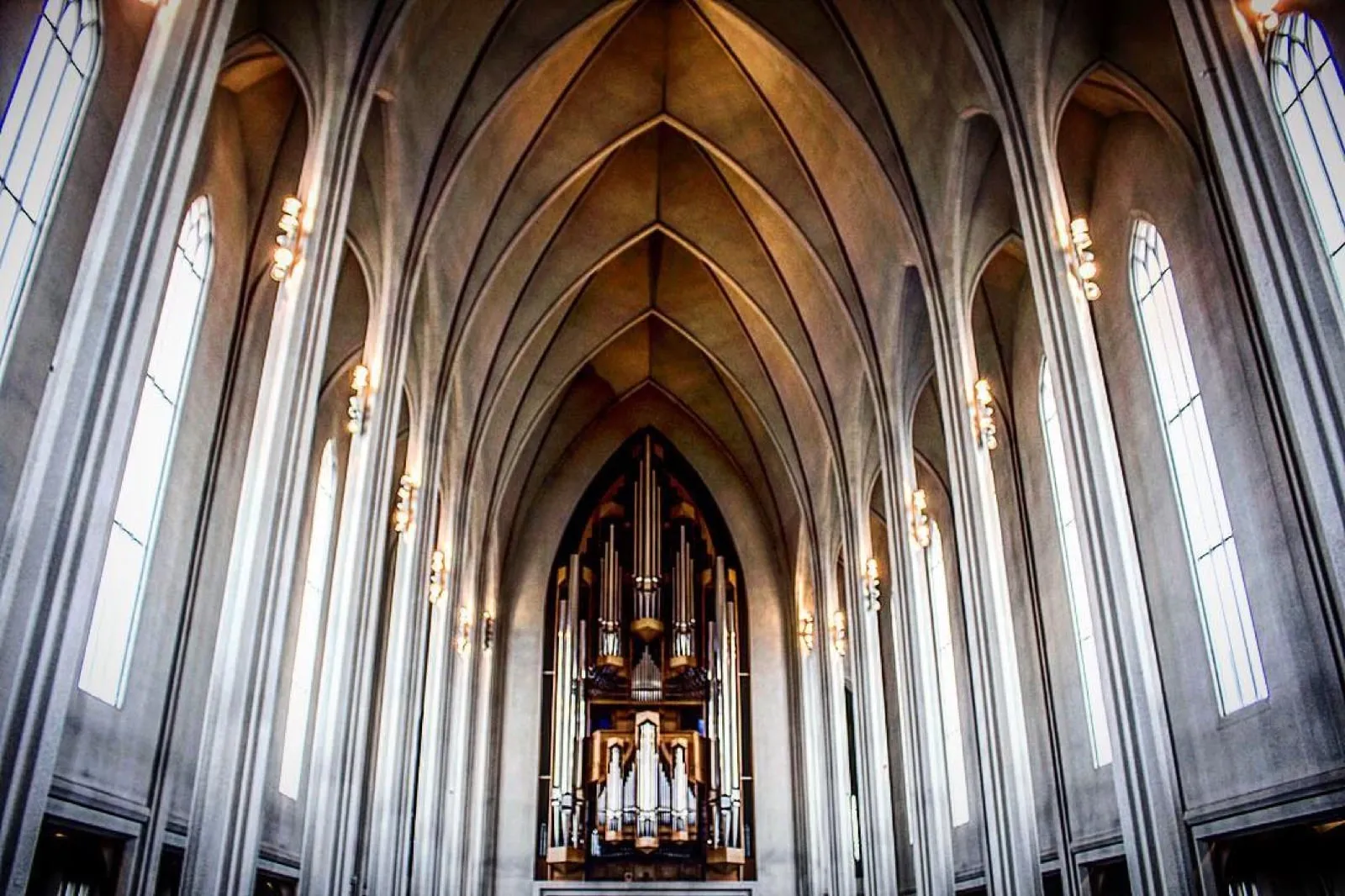
- Hallgrímskirkja, the huge white church you can see from almost anywhere in the city. The inside is simple and stunning, with a giant pipe organ.
- The rainbow street (Skólavörðustígur), painted in rainbow stripes and leading straight up toward Hallgrímskirkja.
- Lobster bisque on the harbor. We had the most delicious lobster soup with warm rolls at a little restaurant by the marina. If you see langoustine soup on a menu in Iceland, order it.
The Golden Circle (well, part of it)
We didn’t do the whole Golden Circle, but we hit the highlights we cared about most.
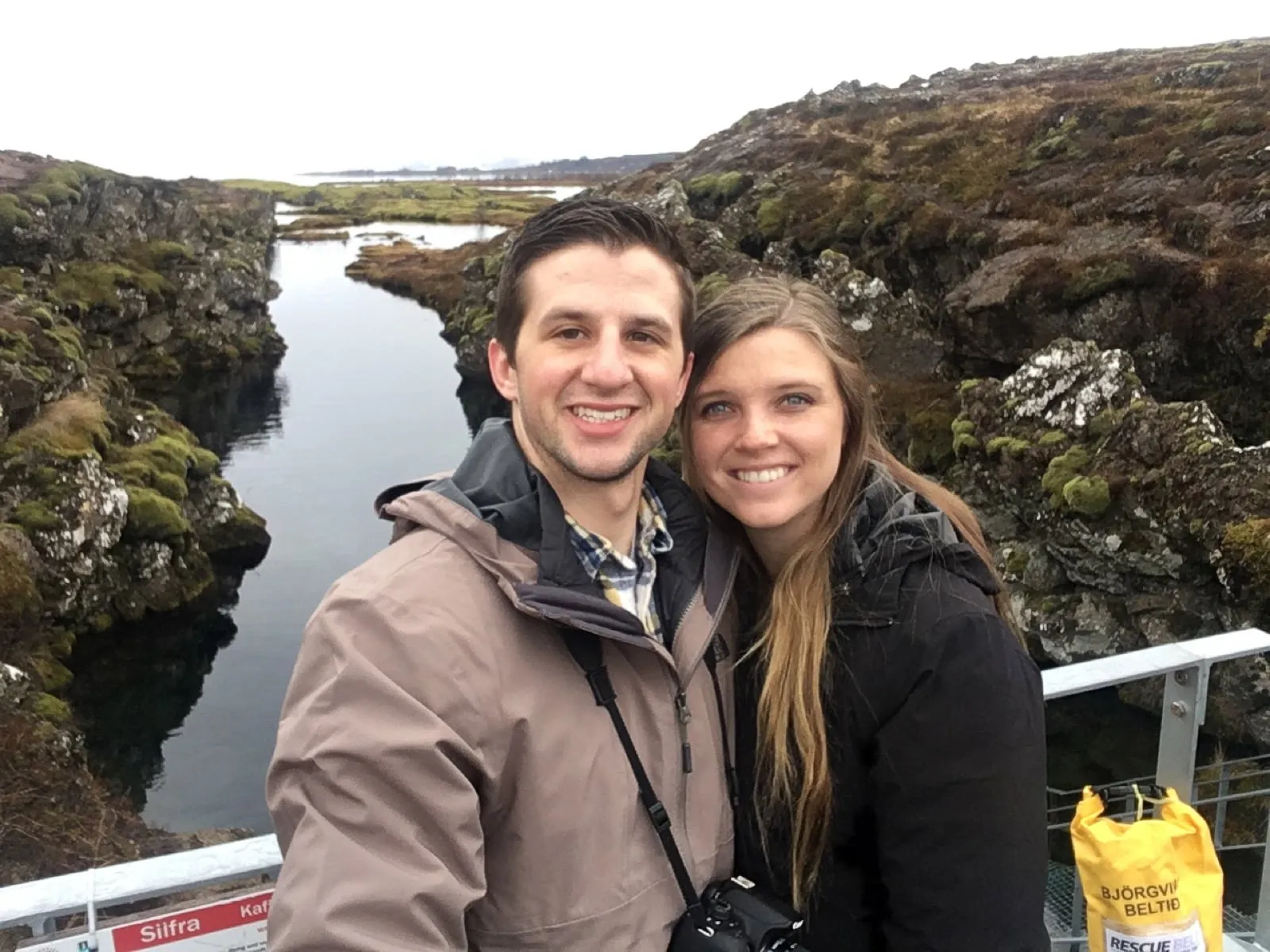
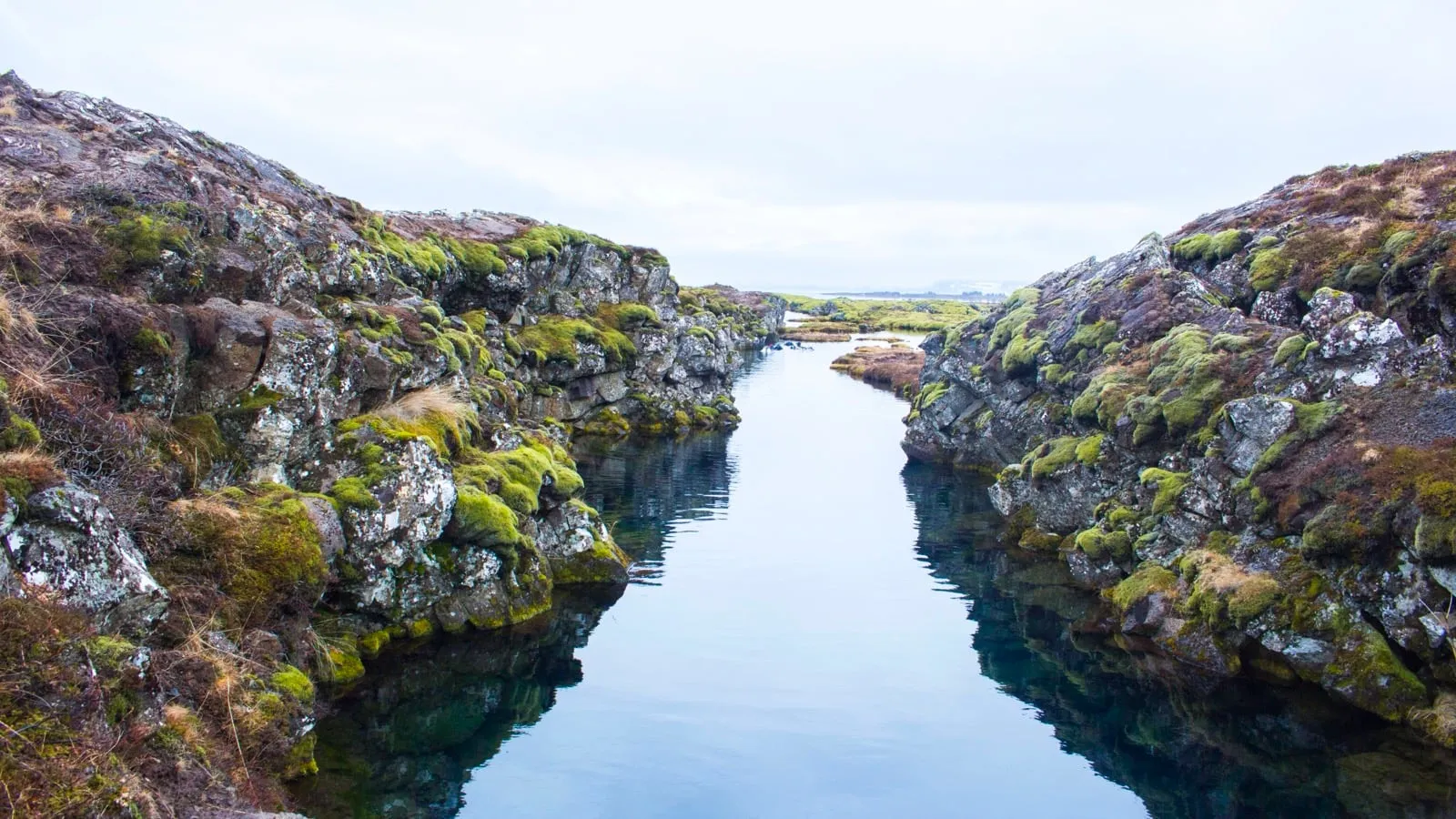
Þingvellir National Park is where Iceland’s parliament first met in the year 930. It’s also where you can walk through the rift between the North American and Eurasian tectonic plates. The water in the fissures is so clear it barely looks real.
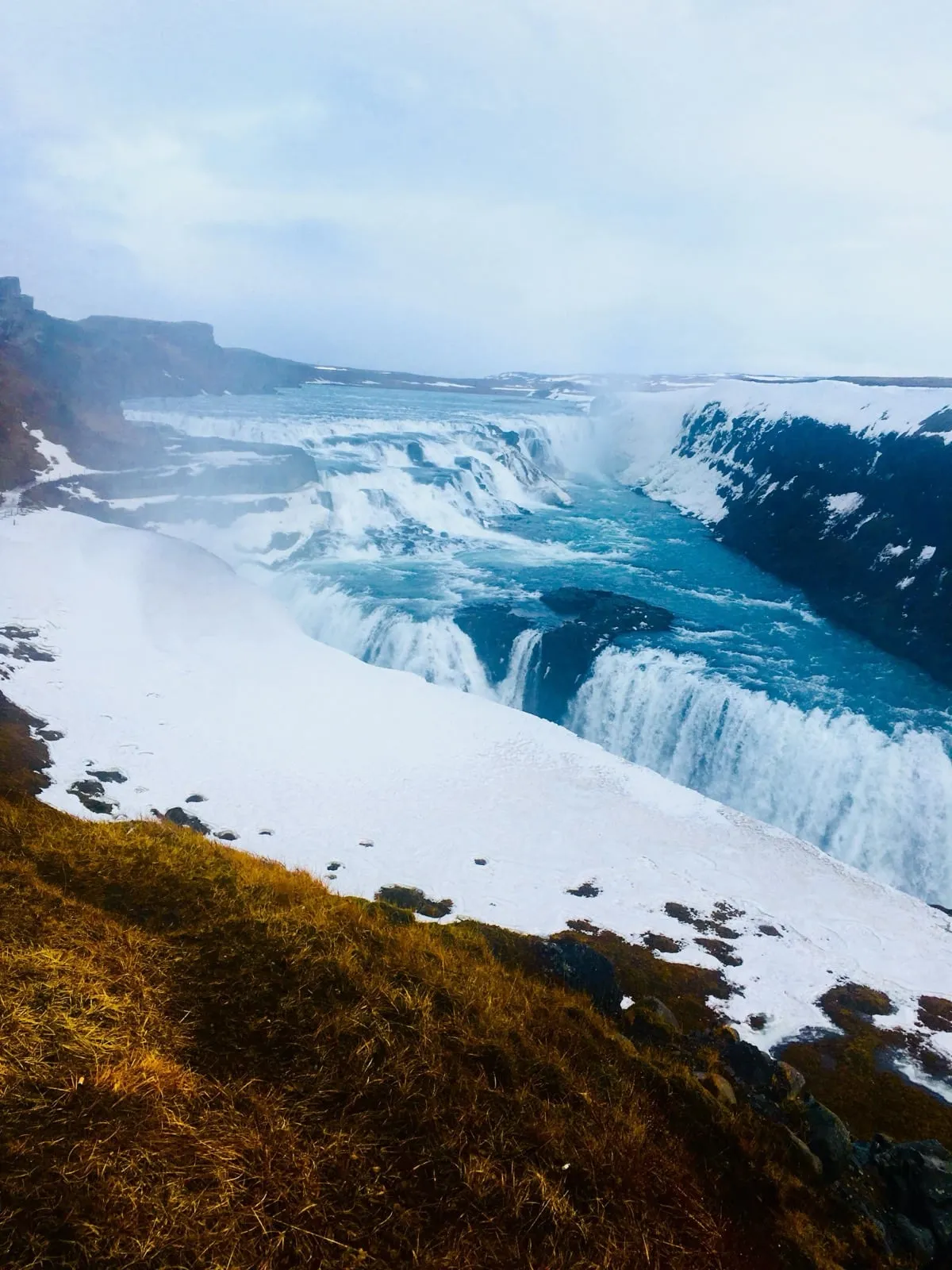
Gullfoss is a massive two-step waterfall that thunders down into a canyon. In March it was still edged in snow and ice.
We also stopped in the little town of Flúðir on our loop.
The south coast: waterfalls and black sand
The drive from Reykjavik to Vík is one jaw-dropping stop after another.
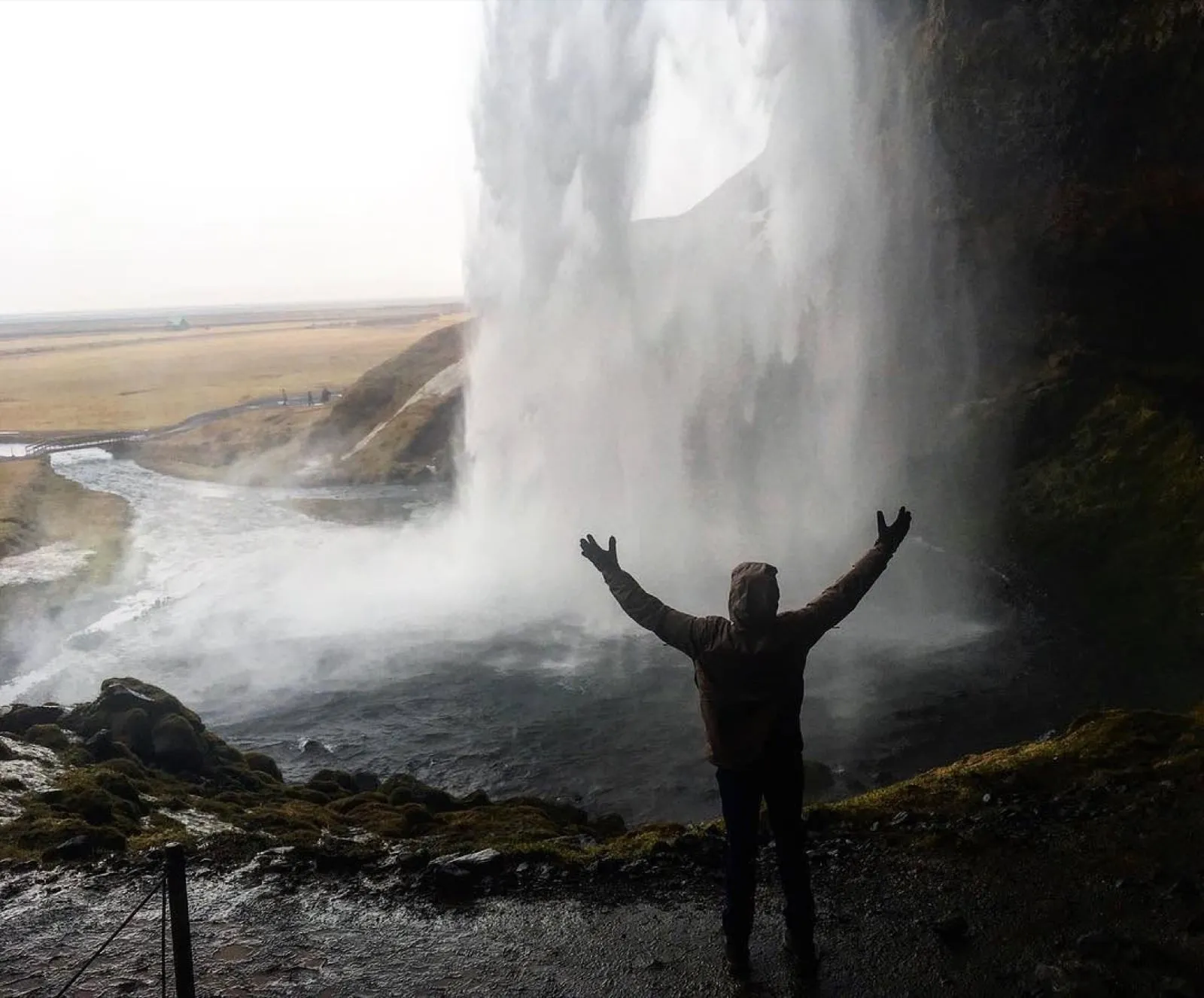
Seljalandsfoss is the waterfall you can walk behind. Bring a rain jacket: you will get soaked by the spray, and it’s worth it.
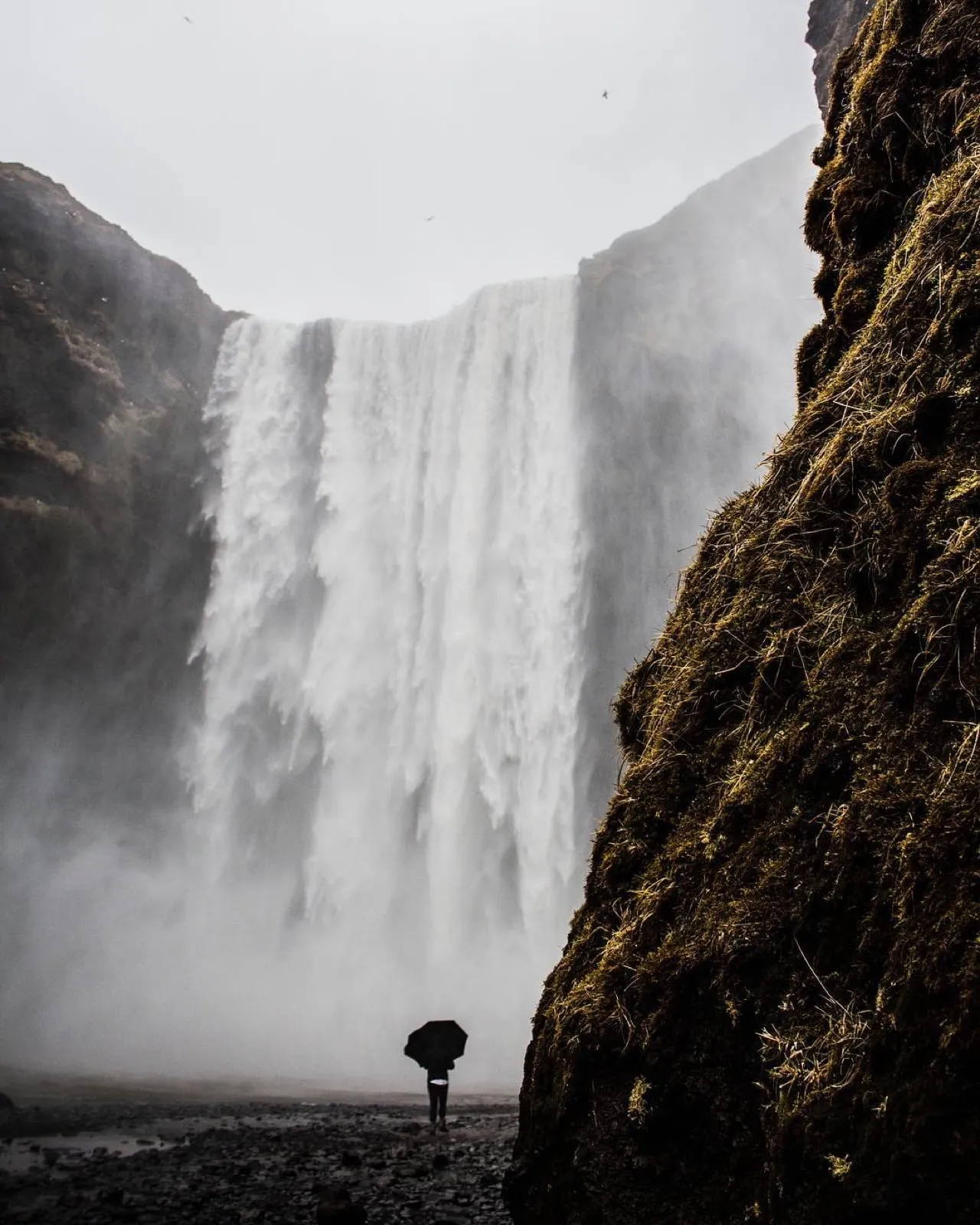
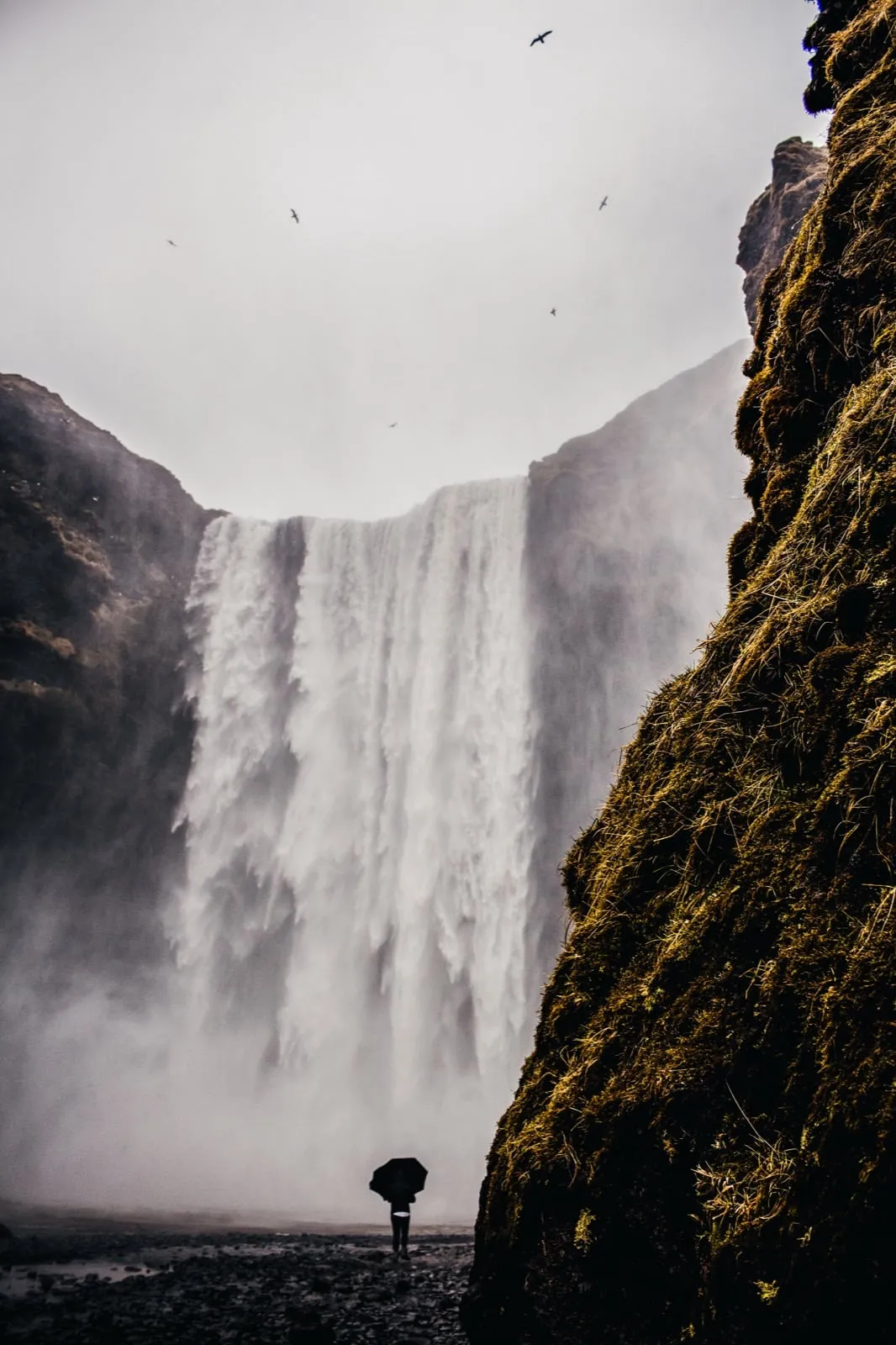
Skógafoss is a wide, powerful wall of water you can walk right up to. On a sunny day it throws rainbows.
Further east we also stopped at Stjórnarfoss, a lower, wider waterfall near Kirkjubæjarklaustur.
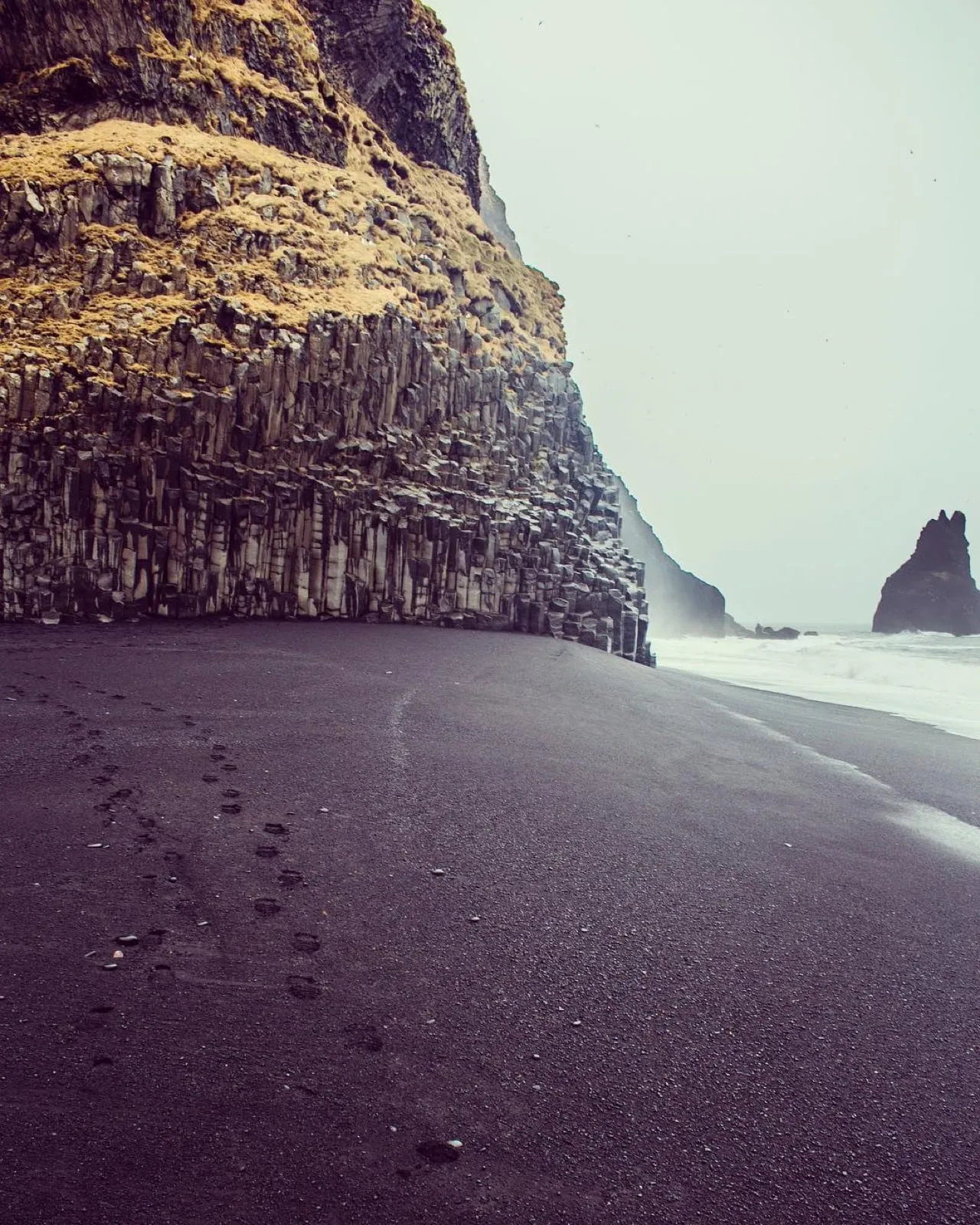
The black sand beaches near Vík feel like another planet: jet-black sand, huge waves, and sea stacks rising out of the water.
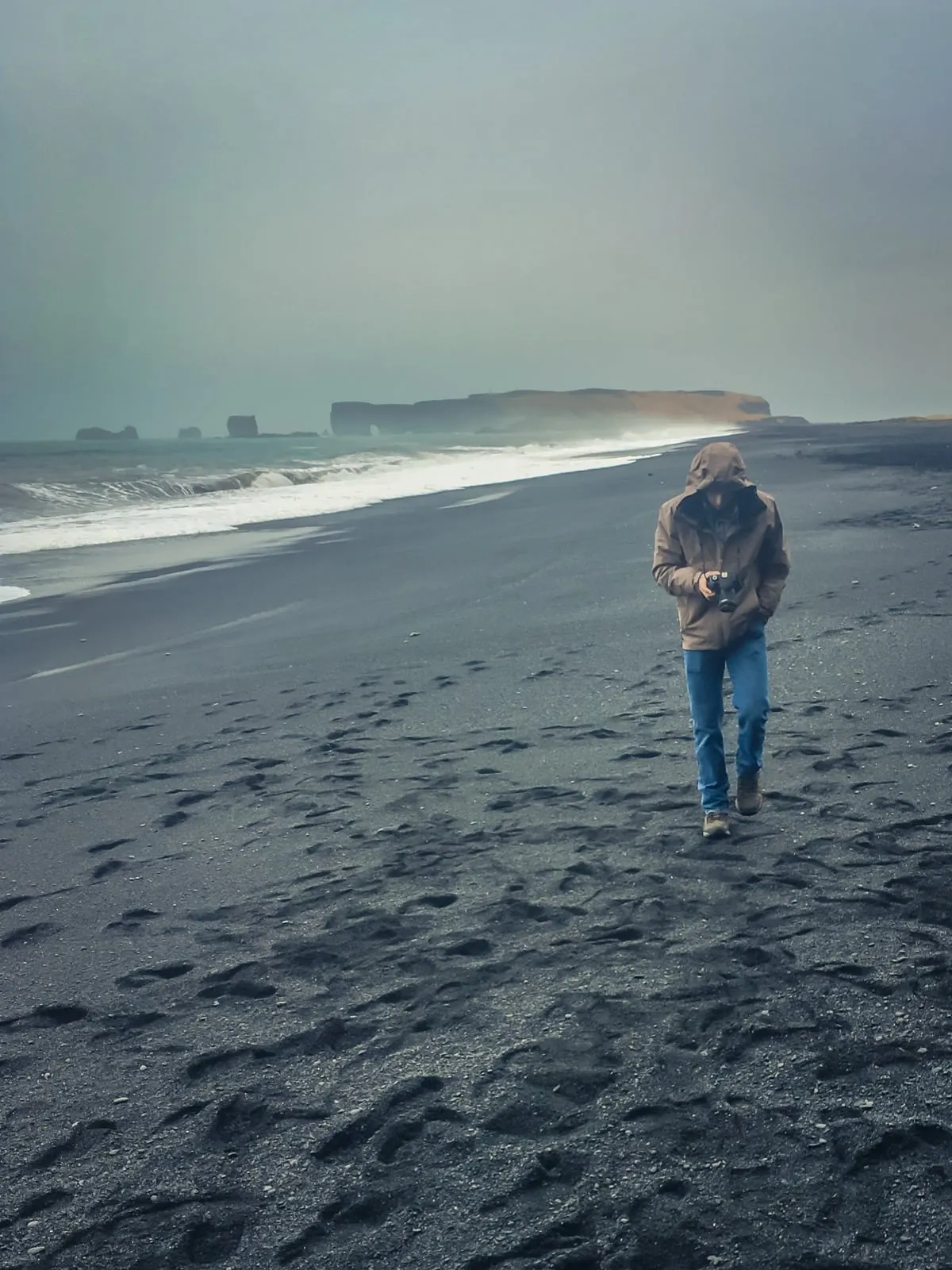
One important safety note: these beaches are known for “sneaker waves” that rush much farther up the sand than you’d expect. Stay well back from the water’s edge and never turn your back on the ocean.
The northern lights
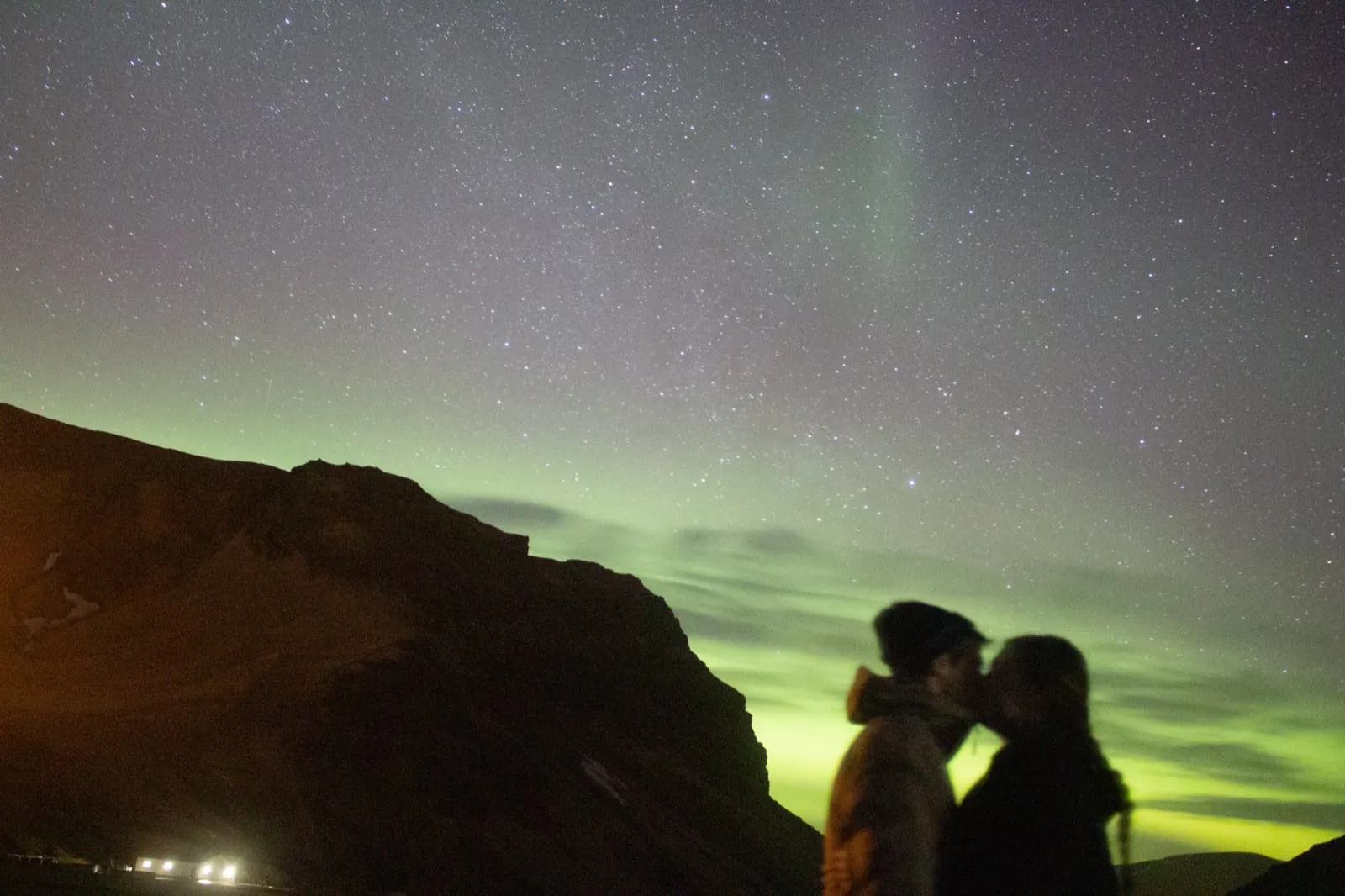
We stayed in Vík and went out to see the northern lights, and they showed up. Standing under green light rippling across a sky full of stars, with a baby on the way, is a memory neither of us will ever forget.
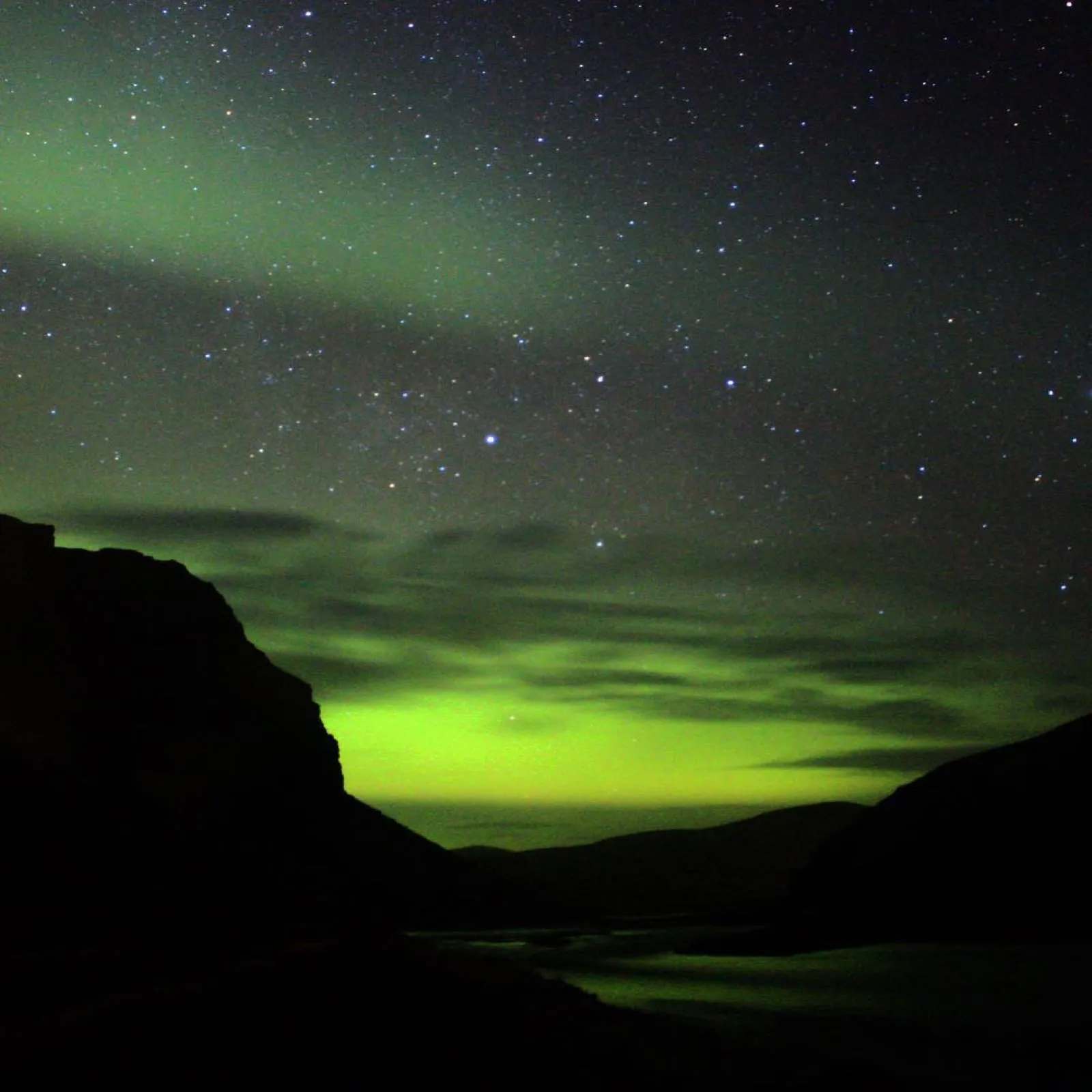
Northern lights are never guaranteed. You need dark skies, clear weather, and solar activity all at once. Visiting in the darker months (roughly September through March) and staying outside the city gives you the best chance.
Fjaðrárgljúfur: our one disappointment
We were really excited for Fjaðrárgljúfur, a deep, winding moss-covered canyon east of Vík. 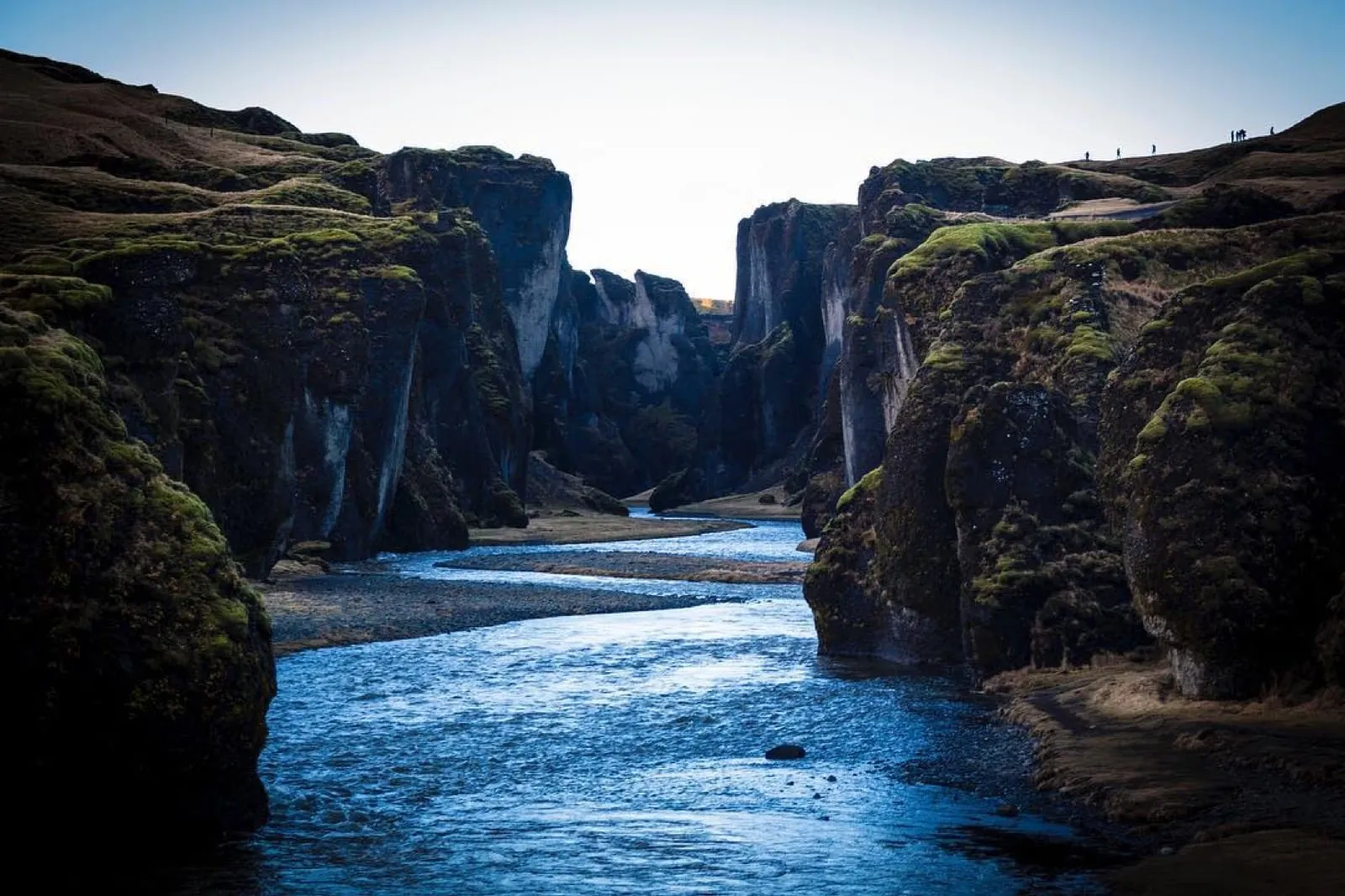
When we got there in March, though, the ground was all mud and the hiking trail was closed.
The worst part: almost everyone ignored the closure signs and went up anyway. You could see the damage they were doing, tearing up the grass and moss and churning the ground into mud. Moss in Iceland can take decades to grow back.
Our advice: in early spring, check whether the trail is open before you go. If it’s closed, respect it, and come back another trip.
The elves (yes, really)
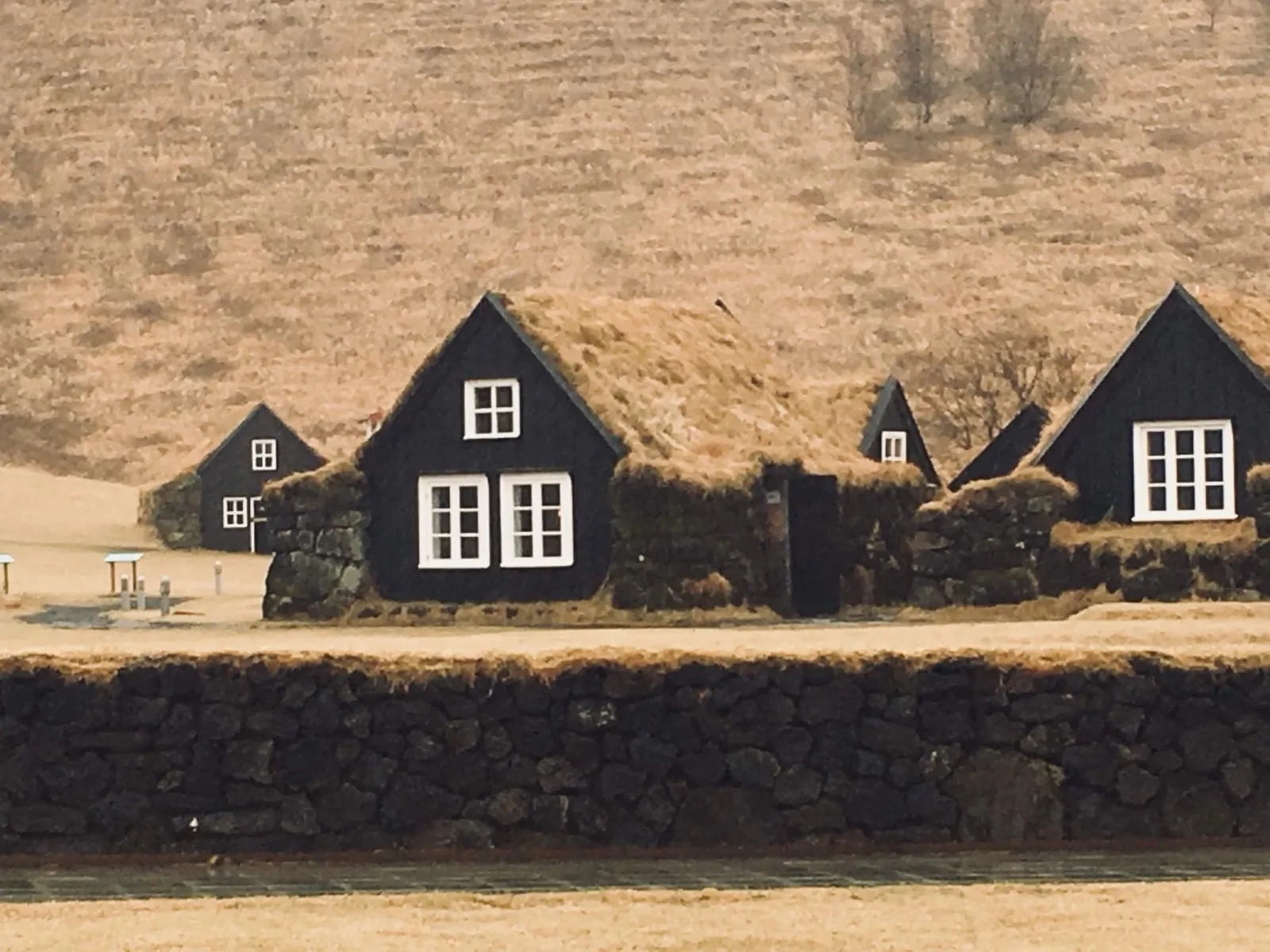
One of the funniest and coolest things we learned is how seriously some Icelanders take the huldufólk, or “hidden people”: elves and other folk believed to live in the rocks and hills. You’ll even spot tiny houses built for them in gardens and along hillsides.
Before you go: tips for March in Iceland
- Expect rain, wind, and mud. Waterproof jackets, rain pants, and waterproof hiking boots make the trip.
- Rent a car, but drive carefully. Roads can be icy or flooded, and the wind can be strong. Check road and weather conditions every morning. Compare rental cars at Keflavík Airport so you can pick one up as soon as you land.
- Respect closures and roped-off paths. They protect fragile land and keep you safe.
- Use the Reykjanes Peninsula for your first or last day. We also explored Reykjanesbær, the town right by Keflavík International Airport, and the Blue Lagoon is nearby.
- Traveling pregnant? Talk to your doctor before booking and before any hot pools, check your airline’s pregnancy policy, and build in plenty of rest stops.
The Blue Lagoon
We also went to the famous Blue Lagoon, the milky-blue geothermal spa near the airport. 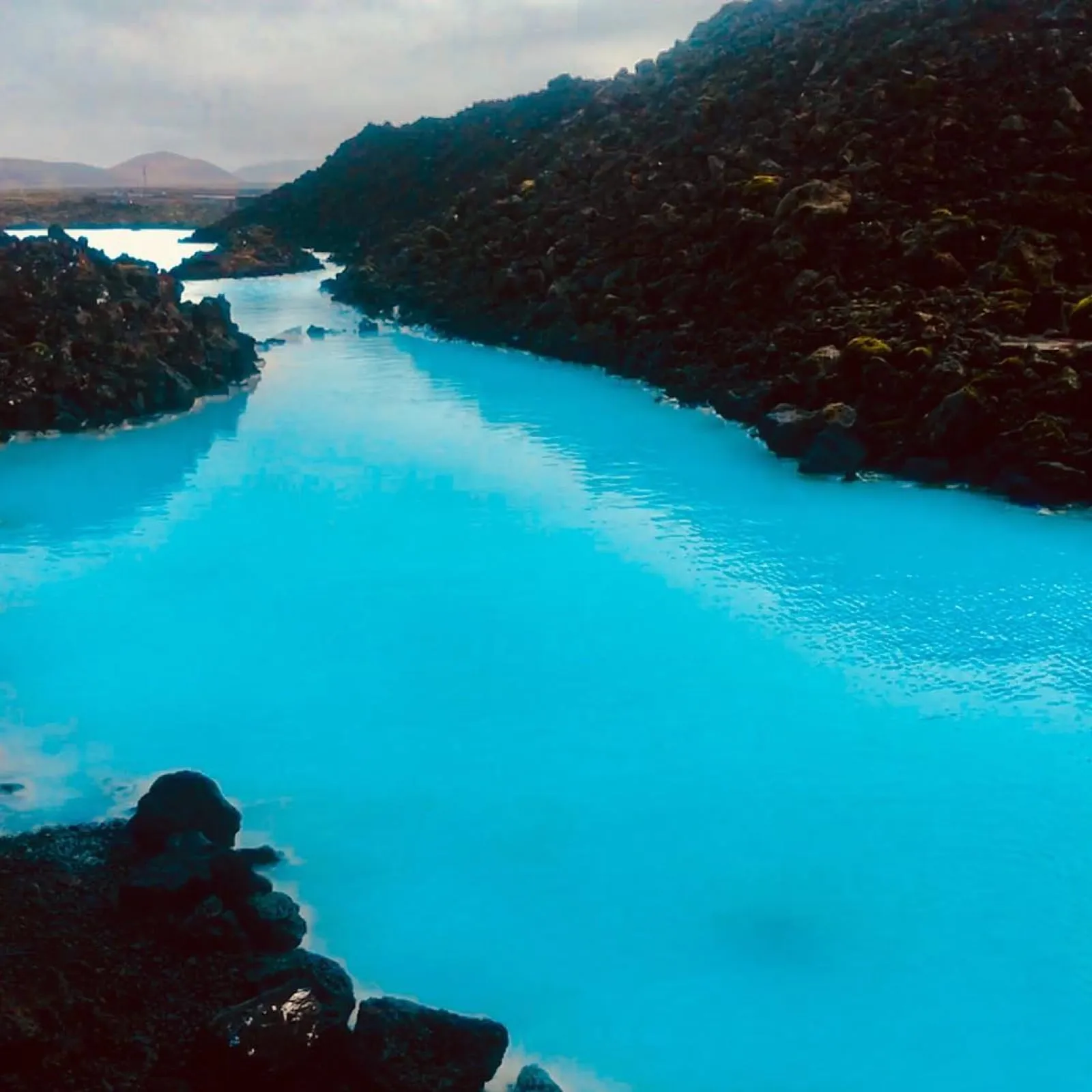
It’s touristy, but floating in warm, steaming blue water surrounded by black lava fields is a perfect way to finish an Iceland trip.
Plan your own Iceland trip
- Rental car: compare rental cars at Keflavík Airport. Having our own car is what let us stop at every waterfall on the south coast.
- Phone data: an Airalo eSIM gives you data for maps and road conditions the moment you land, without international roaming charges. It’s especially handy when you’re driving the south coast.
- Where to stay in Reykjavik: Reykjavik hotels on Booking.com. Staying near Hallgrímskirkja puts the rainbow street and harbor within walking distance.
- Where to stay on the south coast: hotels in Vík, our base for the black sand beaches and the northern lights.
- Blue Lagoon: Blue Lagoon tickets and transfers. Book ahead; it sells out.
- Golden Circle: Golden Circle tours from Reykjavik if you’d rather not drive.
- Northern lights: northern lights tours from Reykjavik, for the best chance of seeing them in season.
Would we go back?
In a heartbeat. Iceland was our last big adventure before our first baby, and it’s a place we’d love to show all three kids someday, maybe in summer, when the days are long and the trails are dry.
Frequently asked questions
Can you see the northern lights in Iceland in March?
Yes, we did. We stayed in Vík in March 2018 and the northern lights showed up, but they are never guaranteed: you need dark skies, clear weather and solar activity at the same time. Staying outside the city and visiting in the darker months, roughly September through March, gives you the best chance.
Is Fjaðrárgljúfur open in March?
Not when we went. In March 2018 the ground around Fjaðrárgljúfur was all mud and the hiking trail was closed. Check whether the trail is open before you go in early spring, and if it is closed, respect the closure and come back another trip.
What is a good route for Iceland's south coast in March?
We started in Reykjavik, picked up a rental car and drove the south coast as far as Vík, stopping at Þingvellir, Gullfoss, Seljalandsfoss, Skógafoss, the black sand beaches near Vík and Stjórnarfoss near Kirkjubæjarklaustur.
What should you pack for Iceland in March?
Expect rain, wind and mud. We would pack a waterproof jacket, rain pants and waterproof hiking boots. You get soaked by the spray when you walk behind Seljalandsfoss, so the rain jacket earns its place.
Do you need a rental car on Iceland's south coast?
Having our own car is what let us stop at every waterfall on the south coast. Roads can be icy or flooded and the wind can be strong in March, so check road and weather conditions every morning. If you would rather not drive, Golden Circle tours leave from Reykjavik.
Is Iceland a good babymoon destination?
It was for us. We took our babymoon there in March 2018, when Chantelle was six to seven months pregnant. If you are traveling pregnant, talk to your doctor before booking and before any hot pools, check your airline's pregnancy policy, and build in plenty of rest stops.
Are the black sand beaches near Vík safe?
Only if you stay well back from the water. These beaches are known for sneaker waves that rush much farther up the sand than you would expect, so never turn your back on the ocean.
Where should you stay on Iceland's south coast?
We based ourselves in Vík for the black sand beaches and the northern lights. In Reykjavik, staying near Hallgrímskirkja puts the rainbow street and harbor within walking distance.