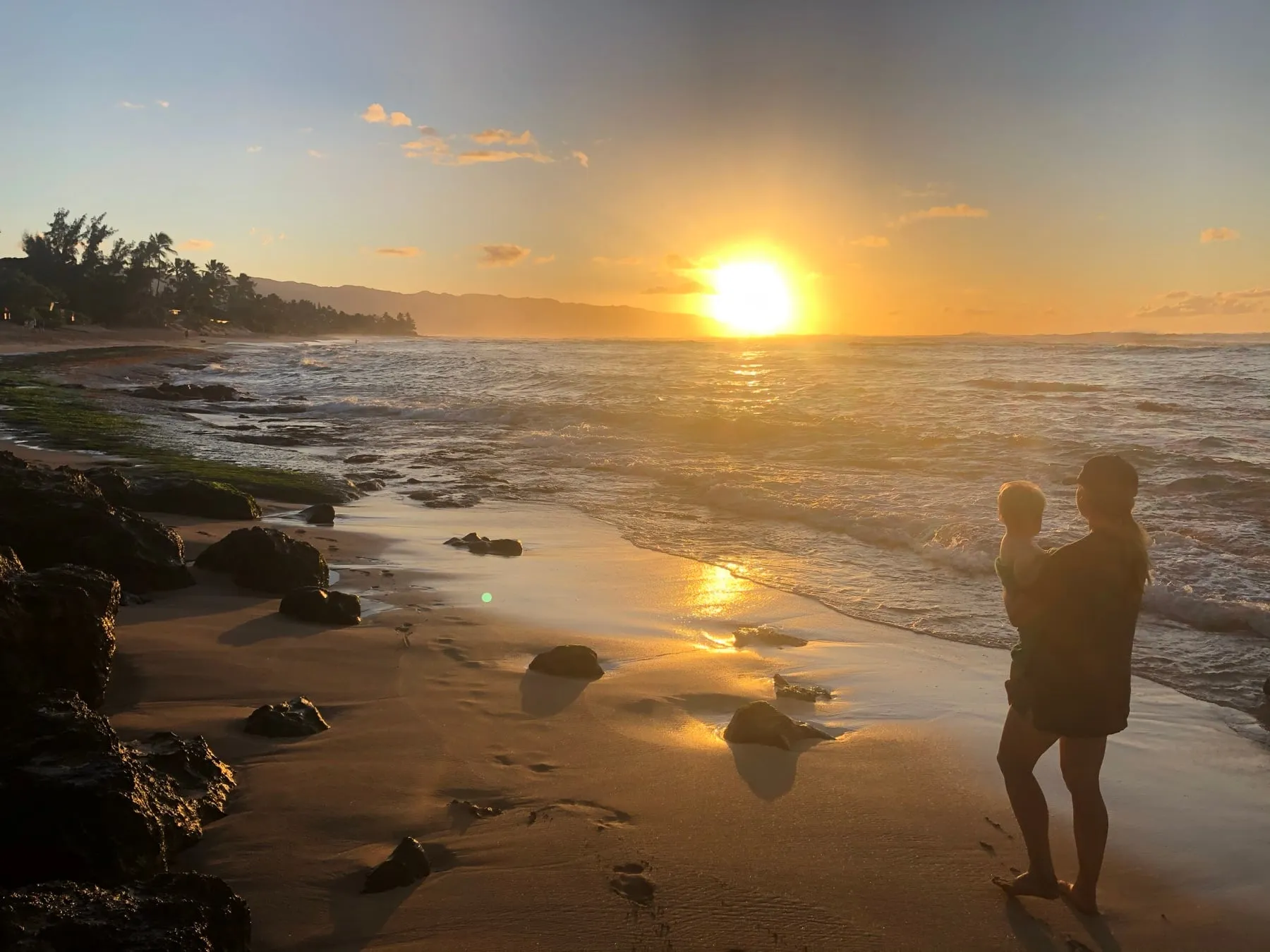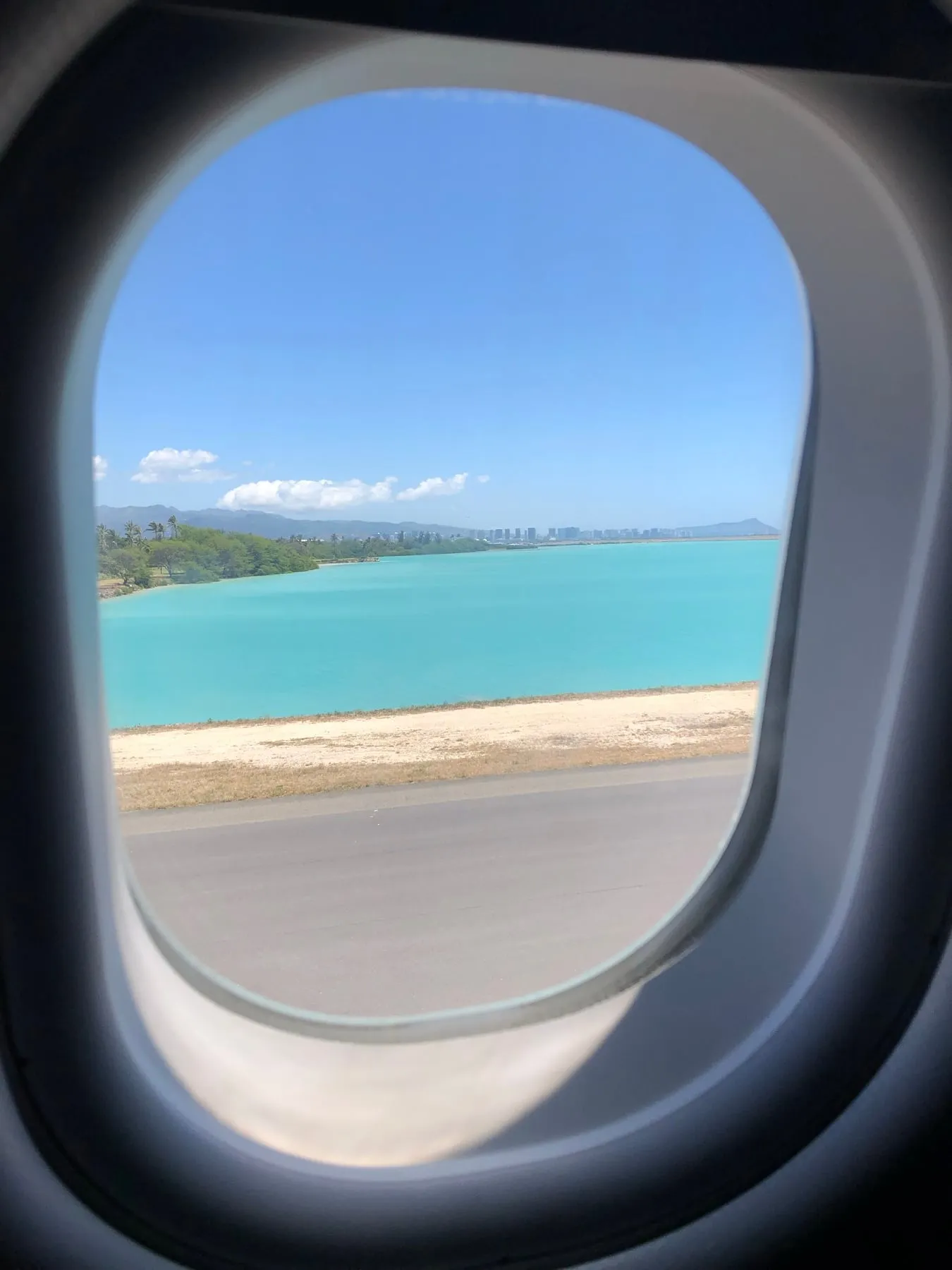
In 2019 we got orders to Joint Base Pearl Harbor–Hickam on Oahu. Everett was about a year old, and we’d never lived more than a road trip from family. Two years later, Hawaii is still one of our favorite places we’ve ever lived, and there’s a lot we wish someone had told us before we landed.
Here’s everything we learned about a PCS to Hawaii, from shipping your stuff to picking a neighborhood to what island life actually feels like.
Shipping your household goods and car
We shipped both our household goods (HHG) and one car. Here’s how long each took for us:
- Household goods: about 1 month to arrive.
- Car: about 2–3 weeks.
That means you’ll likely spend your first few weeks on the island without your furniture, and maybe without a car. Plan for it:
- Pack a generous “unaccompanied” set of essentials to travel with you: a few kitchen basics, bedding, the baby’s must-haves, and enough clothes for a few weeks.
- Budget for a rental car (or rides) until yours arrives.
- Use the loaner furniture program. Ask your housing office or sponsor about temporary furniture while you wait for your shipment.
Timelines vary by season and by year, so treat ours as a rough guide, not a promise.
Moving pets? We didn’t bring any, but Hawaii is rabies-free and has strict pet import rules that take months of planning. Start the process the day you get orders.
Where to live: on base or off base?
We chose to live off base in Ewa Beach, at Iroquois Point. It used to be military housing and is now privatized, so it’s still full of military families. We loved it:
- The community pool was a lifesaver with a baby.
- Private beach access. The beach is a bit rocky and mixed with chunks of coral, so it isn’t a perfect swimming beach. But seeing the ocean every day never got old.
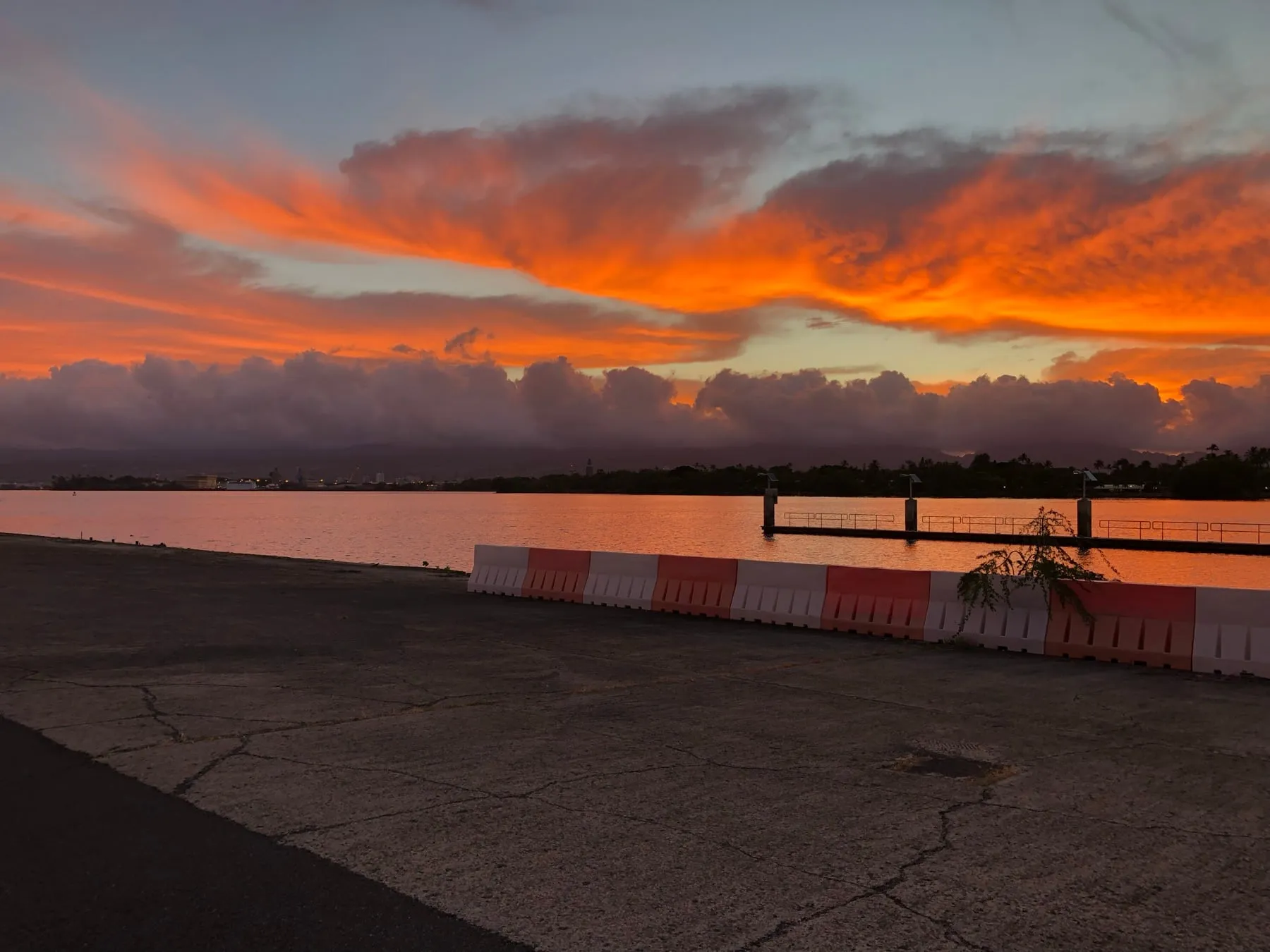
- Front-row seats to Pearl Harbor. Iroquois Point sits right at the mouth of the harbor channel, and we loved watching Navy ships and submarines come in and out of port.
Where Navy families tend to live
At least for the Navy, most people from the ships live in Kailua or near Kaneohe Bay on the windward (east) side, so that’s usually the go-to area if you want to be close to friends from the command. It’s beautiful over there, but think hard about the commute to your base before you commit.
The commute: traffic is real (and kayaking is an option)
Traffic on Oahu can be rough, especially getting to and from base at rush hour. Don’t judge a neighborhood by the distance on a map; drive the route at commute time before you sign a lease.
One unusual perk of living at Iroquois Point: Michael used to kayak across the channel to work. You have to register your kayak, and then each day, when you’re ready to cross, you call base port operations and get permission before you go. It’s an amazing way to start the morning. Check the current rules with port operations before you try it, since procedures can change.
What island life actually feels like
The hardest part of Hawaii for us wasn’t the cost or the traffic. It was how small and far away the island feels. Family is a long, expensive flight away, and you can drive around most of Oahu in a day.
What helped:
- Find your people early. Neighbors, the command, other military families at the pool.
- Make a Hawaii bucket list and work through it on weekends, so you don’t spend your whole tour saying “we’ll do that later.”
- Plan your trips home in advance. Flights to the mainland add up, especially with kids.
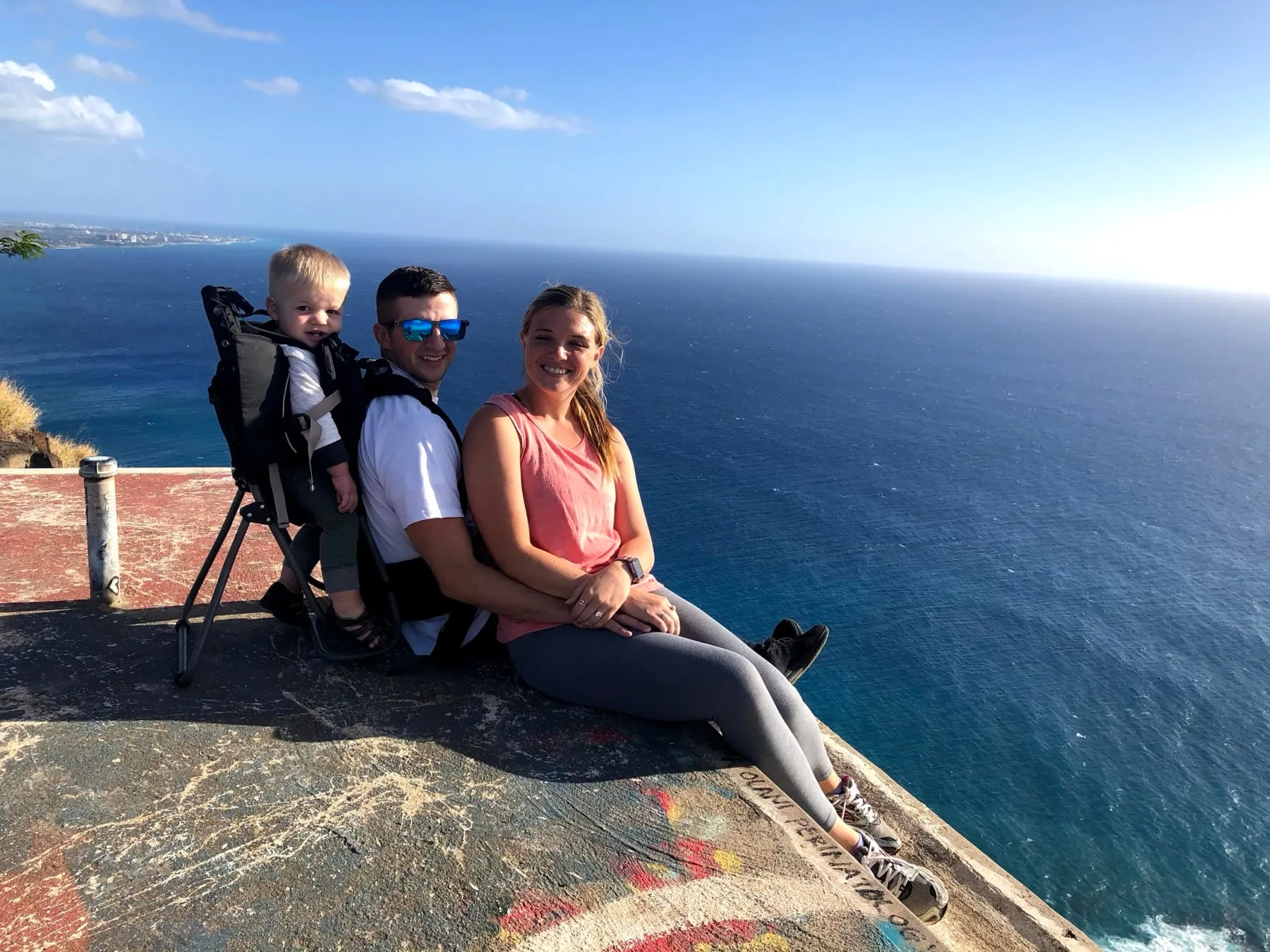
Our favorite thing to do: snorkeling at Electric Beach
If we had to pick one favorite activity on Oahu, it’s snorkeling at Electric Beach on the west side. Go early in the morning for the best chance of seeing lots of fish, sea turtles, and maybe even dolphins.
It’s an open-ocean snorkel, not a calm lagoon, so it’s for confident swimmers. Go on a calm day, stay aware of currents, and never snorkel alone. For beaches that work for babies and toddlers, see our favorite Oahu beaches for little kids.
Hawaii PCS checklist: the short version
- Start pet paperwork immediately if you’re bringing animals.
- Ship your car as early as you can, and plan for a few weeks without it.
- Pack an essentials kit to tide you over until your household goods arrive (ours took about a month).
- Pick your neighborhood based on your commute, not just the map.
- Look up Hawaii’s cost-of-living allowance (COLA) and housing rates for your rank. Groceries and gas cost more on the island.
- Get a beach bag, a cooler, and reef-safe sunscreen. You’ll use them every weekend.
Want the full checklist we use for every move? Get our free PCS checklist.
Would we go back?
In a heartbeat. Hawaii gave us sunsets every night, ships and subs going by our backyard, and some of the best family memories we have. If you just got orders to Oahu: congratulations. It goes fast, so get out there.